The Importance of Bathroom Vanity Height: A Comprehensive Guide
Related Articles: The Importance of Bathroom Vanity Height: A Comprehensive Guide
Introduction
With enthusiasm, let’s navigate through the intriguing topic related to The Importance of Bathroom Vanity Height: A Comprehensive Guide. Let’s weave interesting information and offer fresh perspectives to the readers.
Table of Content
- 1 Related Articles: The Importance of Bathroom Vanity Height: A Comprehensive Guide
- 2 Introduction
- 3 The Importance of Bathroom Vanity Height: A Comprehensive Guide
- 3.1 Understanding the Importance of Vanity Height
- 3.2 Factors Determining the Ideal Vanity Height
- 3.3 Choosing the Right Vanity Height: A Practical Approach
- 3.4 FAQs about Bathroom Vanity Height
- 3.5 Tips for Choosing the Right Vanity Height
- 3.6 Conclusion
- 4 Closure
The Importance of Bathroom Vanity Height: A Comprehensive Guide
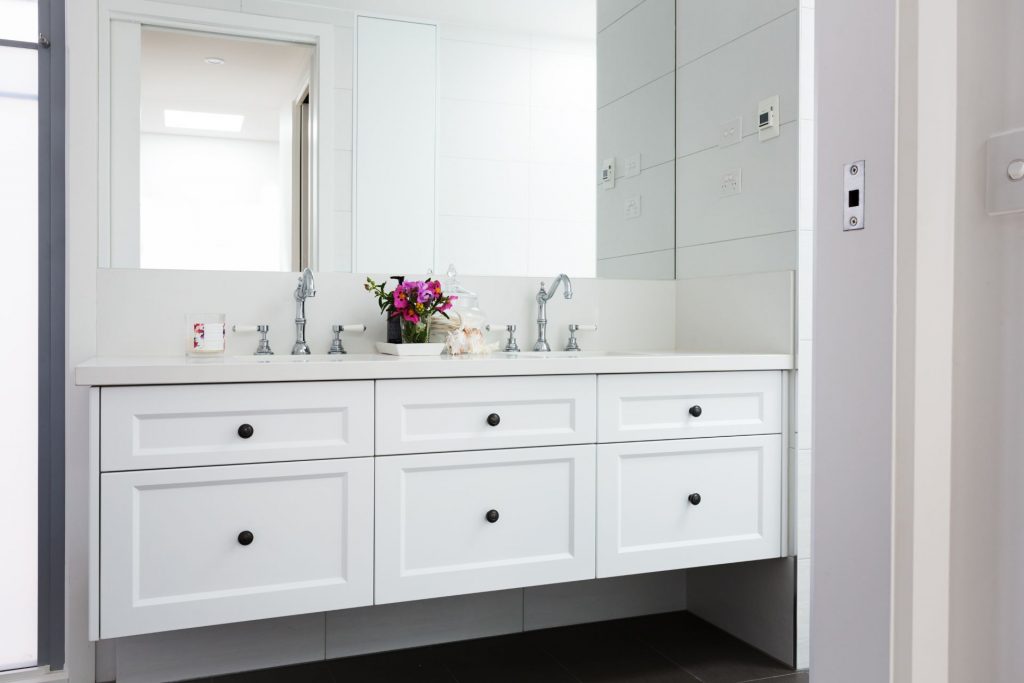
The bathroom vanity, a staple in most modern homes, serves as more than just a storage unit. It’s a central element in your daily routine, a space for personal grooming and a reflection of your personal style. While aesthetics are important, the functionality of your vanity is paramount, and this hinges heavily on its height.
A vanity that is the right height for your needs ensures comfort, efficiency, and even promotes better posture. This guide will delve into the intricacies of bathroom vanity height, exploring its importance, the factors influencing the ideal height, and offering practical tips for choosing the perfect fit for your bathroom.
Understanding the Importance of Vanity Height
The height of your bathroom vanity plays a crucial role in its usability and overall comfort. It directly impacts your posture while using the sink, the ease of access to storage, and even the overall aesthetic appeal of your bathroom.
Ergonomics and Comfort:
An improperly sized vanity can lead to discomfort and strain, especially when spending extended periods in front of the sink. A vanity that is too low forces you to hunch over, putting stress on your back and neck. Conversely, a vanity that is too high can cause strain in your shoulders and arms as you reach for the sink.
Accessibility and Ease of Use:
The height of the vanity directly affects how easily you can access the sink and storage areas. A vanity that is too low can make it difficult for taller individuals to use the sink comfortably, while a vanity that is too high can be challenging for shorter individuals to reach.
Aesthetics and Overall Design:
The height of the vanity plays a significant role in the overall design and flow of your bathroom. A vanity that is too high or too low can disrupt the visual balance of the space, making the room feel cramped or disproportionate.
Factors Determining the Ideal Vanity Height
The ideal bathroom vanity height is not a one-size-fits-all solution. Several factors influence the perfect height for your individual needs and bathroom layout.
1. User Height:
The most crucial factor in determining the right vanity height is the height of the primary user. A general rule of thumb is to choose a vanity height that allows for comfortable use without bending or stretching.
- For average height individuals (5’4" – 5’10"): A standard vanity height of 34 inches is generally suitable.
- For taller individuals (over 5’10"): Consider a vanity height of 36 inches or even higher.
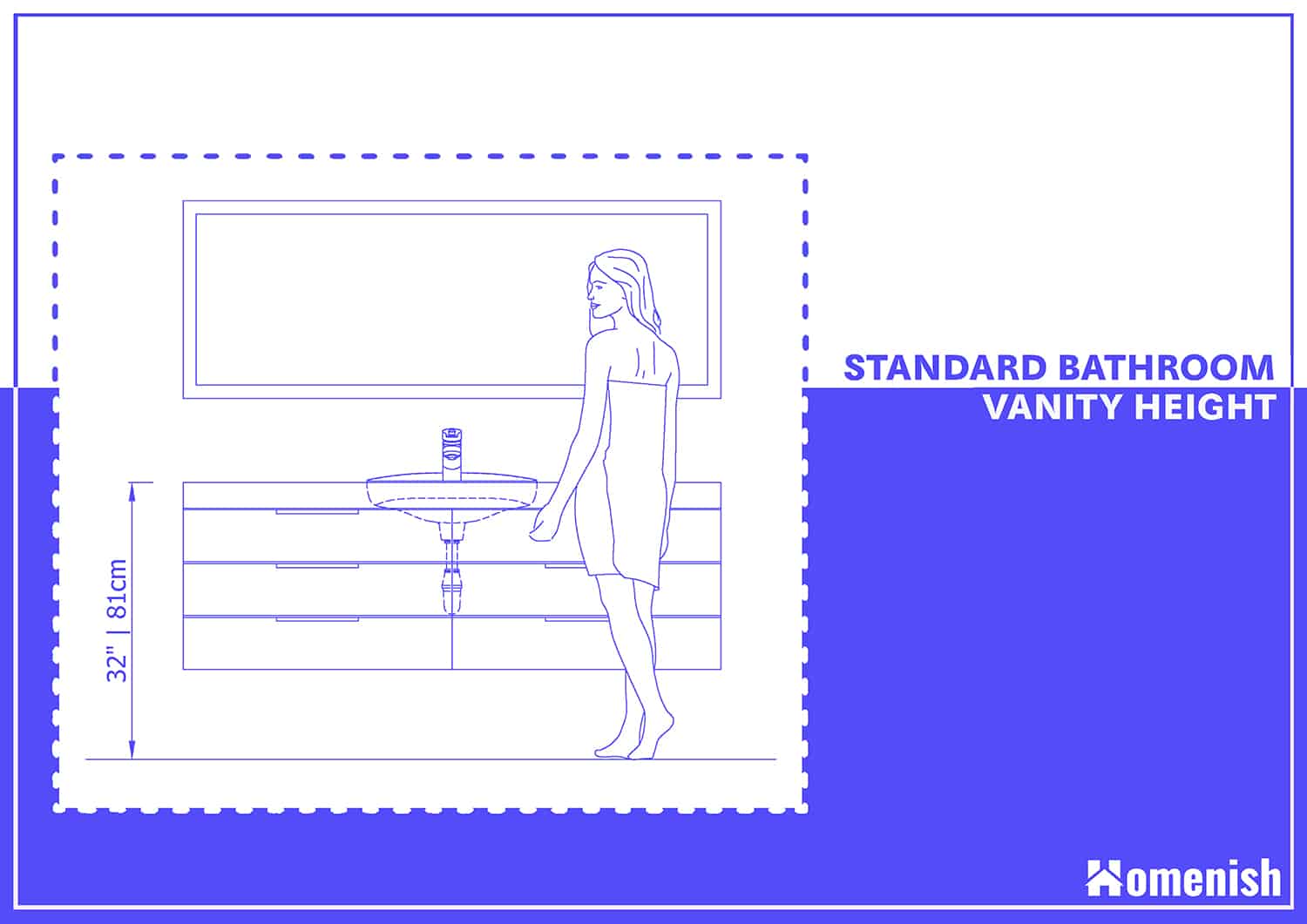
- For shorter individuals (under 5’4"): Opt for a vanity height of 32 inches or even lower.
2. Countertop Thickness:
The thickness of the countertop material also influences the overall height of the vanity. Thicker countertops will result in a higher vanity height, while thinner countertops will result in a lower vanity height.
3. Sink Depth:
The depth of the sink plays a crucial role in determining the overall height of the vanity. A deeper sink will require a higher vanity to ensure comfortable use.
4. Bathroom Layout:
The layout of your bathroom also influences the ideal vanity height. A small bathroom might require a lower vanity to maximize floor space, while a larger bathroom can accommodate a higher vanity without feeling cramped.
5. Personal Preferences:
Ultimately, the ideal vanity height is a matter of personal preference. Some individuals prefer a higher vanity for better visibility, while others prefer a lower vanity for a more intimate feel.
Choosing the Right Vanity Height: A Practical Approach
Choosing the right vanity height involves a careful consideration of the factors outlined above. Here are some practical tips to help you make an informed decision:
1. Consider the Primary User:
The height of the primary user should be the primary factor in determining the right vanity height. If multiple individuals use the bathroom, consider the average height of the users.
2. Measure the Countertop Thickness:
Measure the thickness of the countertop material to determine the overall height of the vanity once installed.
3. Measure the Sink Depth:
Measure the depth of the sink to ensure that it is compatible with the chosen vanity height.
4. Account for Personal Preferences:
Consider your own preferences and the overall design of your bathroom when choosing the ideal vanity height.
5. Don’t Hesitate to Consult with a Professional:
If you’re unsure about the ideal vanity height for your bathroom, consult with a professional designer or contractor. They can provide expert advice and ensure that your chosen vanity meets your needs and complements the overall design of your bathroom.
FAQs about Bathroom Vanity Height
1. What is the average bathroom vanity height?
The average bathroom vanity height is 34 inches. However, this can vary based on the factors mentioned above.
2. Is it better to have a higher or lower vanity?
The ideal vanity height depends on the individual user’s height and preferences. A higher vanity might be preferable for taller individuals, while a lower vanity might be better for shorter individuals.
3. Can I adjust the height of my vanity?
While it is possible to adjust the height of some vanities, it is generally not recommended. Adjusting the height can compromise the stability and functionality of the vanity.
4. Can I use a step stool to compensate for a low vanity?
Using a step stool can be a temporary solution, but it is not recommended for long-term use. A step stool can be unstable and pose a safety risk.
5. How do I know if my vanity is the right height?
The right vanity height should allow you to use the sink comfortably without bending or stretching. You should be able to stand with your elbows at a 90-degree angle and your wrists straight while using the sink.
Tips for Choosing the Right Vanity Height
1. Consider a Vanity with Adjustable Legs:
Some vanities come with adjustable legs, which allow you to customize the height to fit your needs.
2. Opt for a Vanity with a Smaller Sink:
A smaller sink will require a lower vanity height, which can be beneficial for shorter individuals.
3. Choose a Countertop Material with a Lower Profile:
A thinner countertop material will result in a lower vanity height, which can be beneficial for smaller bathrooms.
4. Use a Vanity with a Floating Design:
A floating vanity can create the illusion of more space, even in smaller bathrooms.
5. Incorporate a Step Stool for Additional Height:
If you have a low vanity, a step stool can provide additional height, making it easier to use the sink.
Conclusion
The height of your bathroom vanity is a crucial consideration for functionality, comfort, and aesthetic appeal. By carefully considering the factors outlined in this guide, you can choose a vanity height that meets your individual needs and complements the overall design of your bathroom. Remember, the right vanity height should allow for comfortable use without bending or stretching, ensuring a pleasant and efficient experience for years to come.






Closure
Thus, we hope this article has provided valuable insights into The Importance of Bathroom Vanity Height: A Comprehensive Guide. We thank you for taking the time to read this article. See you in our next article!