The Essential Guide to Bathroom Vanity Units in New Zealand
Related Articles: The Essential Guide to Bathroom Vanity Units in New Zealand
Introduction
With enthusiasm, let’s navigate through the intriguing topic related to The Essential Guide to Bathroom Vanity Units in New Zealand. Let’s weave interesting information and offer fresh perspectives to the readers.
Table of Content
The Essential Guide to Bathroom Vanity Units in New Zealand

A bathroom vanity unit is more than just a place to store your toiletries. It’s a focal point, a design element, and a functional piece that significantly impacts the overall aesthetic and usability of your bathroom. This guide will delve into the world of bathroom vanity units in New Zealand, exploring their diverse styles, materials, features, and considerations for choosing the perfect one for your space.
Understanding Bathroom Vanity Units
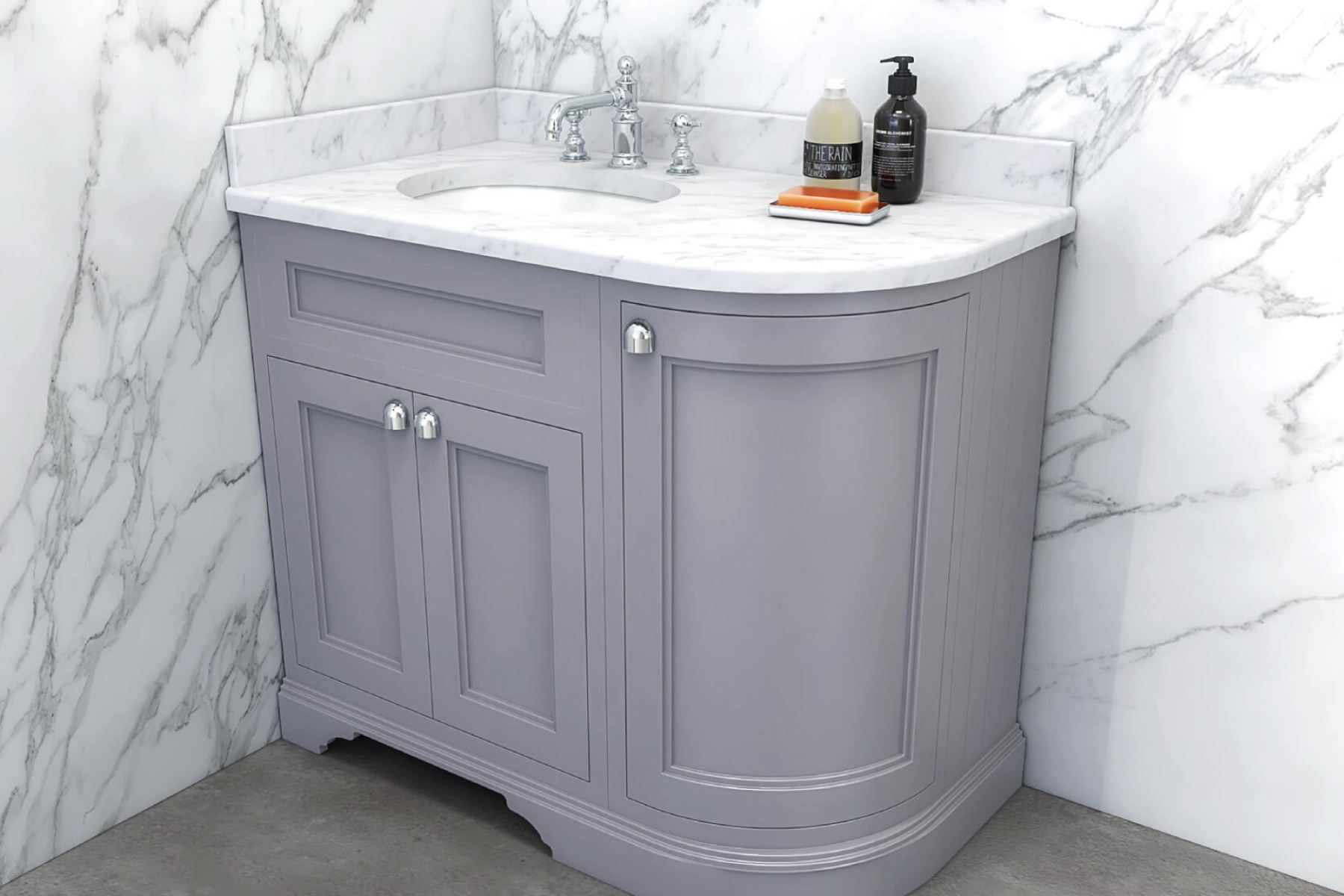
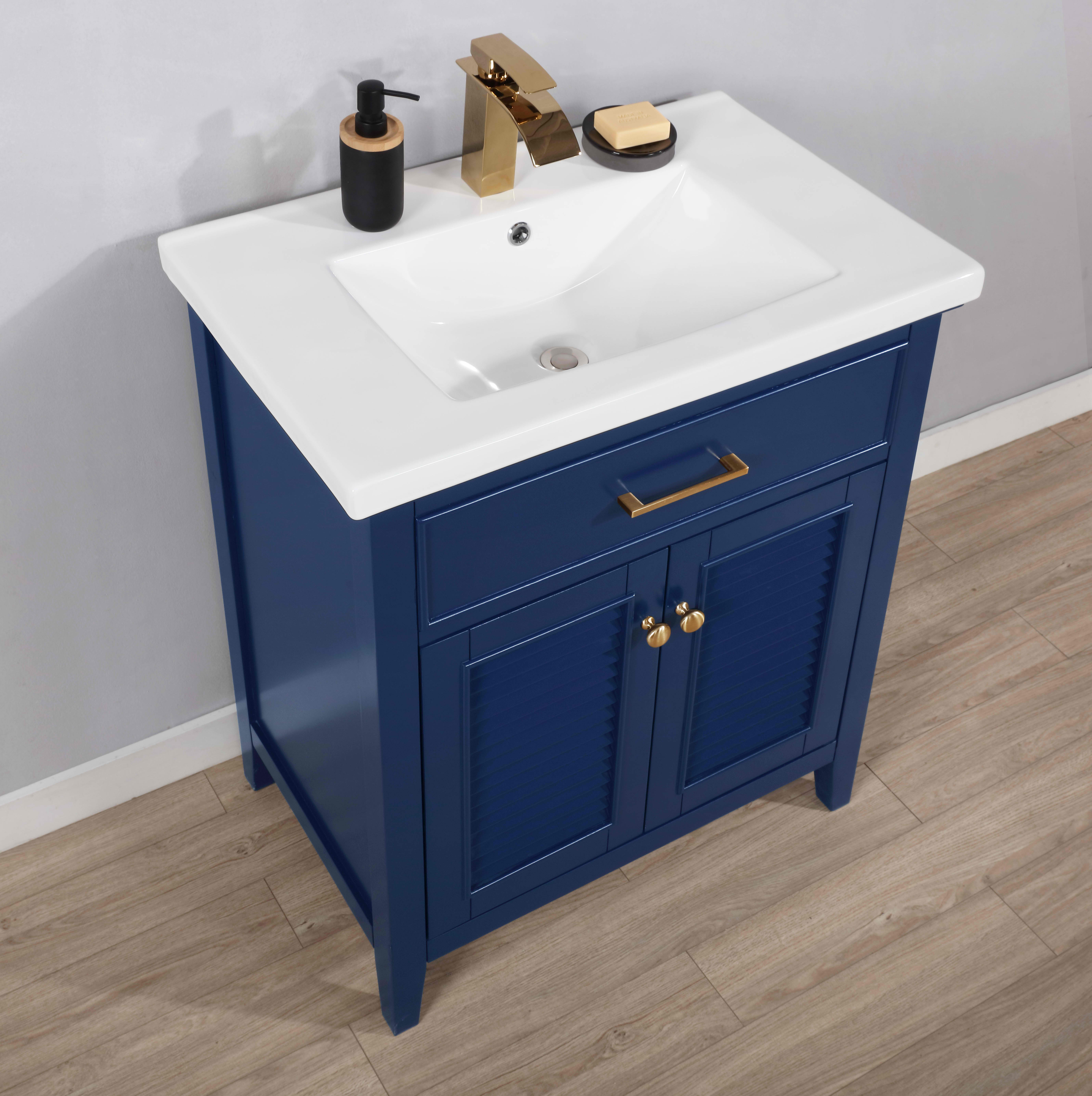
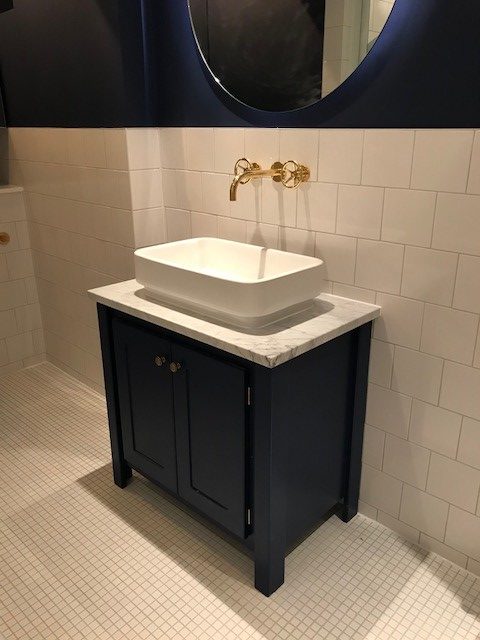
A bathroom vanity unit essentially combines a sink and storage space in a single, cohesive unit. It typically consists of a cabinet with drawers and shelves, a countertop, and a basin or sink. Vanity units come in various sizes, styles, and materials, catering to a wide range of bathroom designs and requirements.
Benefits of Bathroom Vanity Units
- Enhanced Storage: Vanity units provide ample storage for toiletries, towels, and other bathroom essentials, keeping your space organized and clutter-free.
- Aesthetic Appeal: With a variety of styles and materials, vanity units can elevate the overall look and feel of your bathroom, adding a touch of sophistication and elegance.
- Increased Functionality: The integration of a sink and storage within a single unit streamlines your bathroom layout, optimizing space and creating a more efficient environment.
- Customization Options: Vanity units offer a wide range of customization possibilities, allowing you to choose the size, style, material, and features that best suit your individual needs and preferences.
Types of Bathroom Vanity Units in New Zealand
Bathroom vanity units in New Zealand are available in a diverse range of styles, each offering unique advantages and aesthetic appeal. Here’s a breakdown of some popular types:
- Traditional Vanities: These units feature classic designs with ornate details, often crafted from solid wood with intricate carvings. They exude a timeless elegance and are perfect for bathrooms with a traditional or vintage aesthetic.
- Modern Vanities: Modern vanities prioritize clean lines, minimalist designs, and sleek materials like chrome, glass, and high-gloss finishes. They create a contemporary and sophisticated ambiance, ideal for modern and minimalist bathrooms.
- Contemporary Vanities: Contemporary vanities strike a balance between traditional and modern elements, often incorporating natural wood with sleek metal accents. They offer a versatile style suitable for a variety of bathroom designs.
- Rustic Vanities: Rustic vanities embrace natural textures and materials like reclaimed wood, stone, and metal. They create a warm and inviting atmosphere, perfect for bathrooms with a farmhouse or rustic aesthetic.
- Floating Vanities: These units are suspended from the wall, creating a sense of spaciousness and lightness. They are particularly well-suited for small bathrooms as they minimize visual clutter.
Materials Used in Bathroom Vanity Units
The material of your bathroom vanity unit significantly impacts its durability, style, and cost. Here’s a look at some common materials used in New Zealand:
- Wood: Wood is a classic and timeless material for bathroom vanity units. It offers durability, warmth, and a natural aesthetic. Popular wood choices include oak, maple, cherry, and walnut.
- Laminate: Laminate is a cost-effective alternative to wood, offering durability and a wide range of finishes. It’s a good choice for those seeking a budget-friendly option.
- Acrylic: Acrylic is a popular choice for bathroom vanity units due to its durability, water resistance, and ease of cleaning. It’s also available in a variety of colors and finishes.
- Stone: Stone, such as granite, marble, and quartz, adds a touch of luxury and sophistication to bathroom vanity units. It’s known for its durability and beautiful natural patterns.
- Metal: Metal vanity units, often crafted from stainless steel or chrome, offer a sleek and modern aesthetic. They are highly durable and resistant to corrosion.
Key Features to Consider
When selecting a bathroom vanity unit, consider these essential features:
- Size: Measure your bathroom space carefully to determine the ideal size for your vanity unit. Consider the available floor space, the size of your sink, and the amount of storage you require.
- Storage: Think about the amount of storage you need and the type of storage that best suits your needs. Consider the number of drawers, shelves, and compartments.
- Countertop: The countertop material should be durable, water-resistant, and easy to clean. Popular countertop materials include laminate, granite, marble, and quartz.
- Sink: Choose a sink that complements the style of your vanity unit and meets your needs. Consider the size, shape, and material of the sink.
- Hardware: The hardware, such as handles and knobs, should be durable and match the style of your vanity unit. Consider finishes like chrome, brushed nickel, or oil-rubbed bronze.
- Lighting: Adequate lighting is essential for a functional and aesthetically pleasing bathroom. Consider incorporating lighting fixtures into your vanity unit or above the mirror.
Tips for Choosing the Right Bathroom Vanity Unit
- Consider your bathroom’s style: Choose a vanity unit that complements the overall design aesthetic of your bathroom.
- Determine your budget: Set a budget and stick to it. Prices for bathroom vanity units can vary significantly depending on the material, size, and features.
- Measure your space: Accurately measure your bathroom space to ensure the vanity unit fits comfortably.
- Think about functionality: Consider your storage needs and the type of sink that best suits your usage patterns.
- Read reviews: Check online reviews to get insights into the quality and performance of different vanity unit brands.
- Visit showrooms: Visit local showrooms to see different vanity units in person and get a feel for their quality and style.
FAQs About Bathroom Vanity Units in New Zealand
Q: What is the average cost of a bathroom vanity unit in New Zealand?
A: The cost of a bathroom vanity unit in New Zealand can vary significantly depending on the size, style, material, and features. A basic vanity unit can cost around NZ$500, while more luxurious units can cost several thousand dollars.
Q: What is the best material for a bathroom vanity unit?
A: The best material for a bathroom vanity unit depends on your individual preferences and budget. Wood offers durability, warmth, and a natural aesthetic. Laminate is a cost-effective option. Acrylic is durable, water-resistant, and easy to clean. Stone adds luxury and sophistication. Metal offers a sleek and modern aesthetic.
Q: How do I choose the right size vanity unit for my bathroom?
A: Measure your bathroom space carefully to determine the ideal size for your vanity unit. Consider the available floor space, the size of your sink, and the amount of storage you require.
Q: What are some popular brands of bathroom vanity units in New Zealand?
A: Popular brands of bathroom vanity units in New Zealand include:
- Methven
- Caroma
- Reece
- Dorf
- Sterling
Conclusion
Choosing the right bathroom vanity unit is an important decision that can significantly impact the functionality, aesthetic, and overall value of your bathroom. By carefully considering your needs, preferences, and budget, you can select a vanity unit that perfectly complements your bathroom design and enhances your daily routine. Remember to explore the diverse range of styles, materials, and features available in New Zealand, ensuring you find a vanity unit that reflects your individual style and enhances the beauty and functionality of your bathroom space.





Closure
Thus, we hope this article has provided valuable insights into The Essential Guide to Bathroom Vanity Units in New Zealand. We appreciate your attention to our article. See you in our next article!