Illuminating Your Beauty: The Ultimate Guide to Makeup Vanity Light Bulbs
Related Articles: Illuminating Your Beauty: The Ultimate Guide to Makeup Vanity Light Bulbs
Introduction
With enthusiasm, let’s navigate through the intriguing topic related to Illuminating Your Beauty: The Ultimate Guide to Makeup Vanity Light Bulbs. Let’s weave interesting information and offer fresh perspectives to the readers.
Table of Content
- 1 Related Articles: Illuminating Your Beauty: The Ultimate Guide to Makeup Vanity Light Bulbs
- 2 Introduction
- 3 Illuminating Your Beauty: The Ultimate Guide to Makeup Vanity Light Bulbs
- 3.1 Understanding the Importance of Proper Vanity Lighting
- 3.2 Types of Vanity Light Bulbs: A Detailed Exploration
- 3.2.1 1. Incandescent Bulbs: The Classic Choice
- 3.2.2 2. Halogen Bulbs: A Brighter, Warmer Option
- 3.2.3 3. Fluorescent Bulbs: Energy-Efficient and Long-Lasting
- 3.2.4 4. LED Bulbs: The Modern Choice for Vanity Lighting
- 3.3 Choosing the Right Light Bulbs for Your Makeup Vanity
- 3.4 Tips for Optimizing Your Vanity Lighting
- 3.5 FAQs about Vanity Light Bulbs
- 3.6 Conclusion
- 4 Closure
Illuminating Your Beauty: The Ultimate Guide to Makeup Vanity Light Bulbs
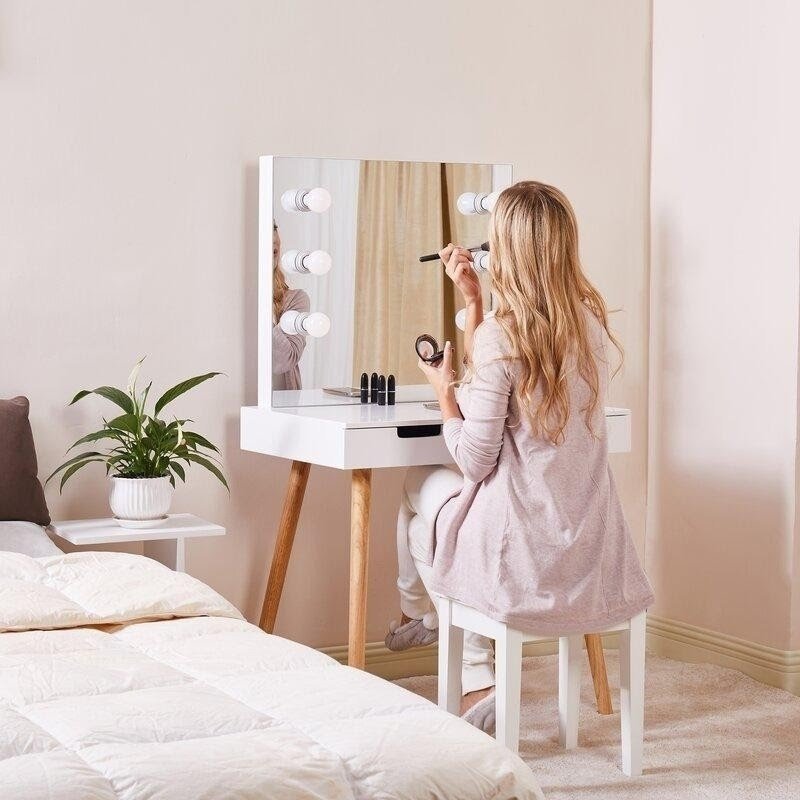
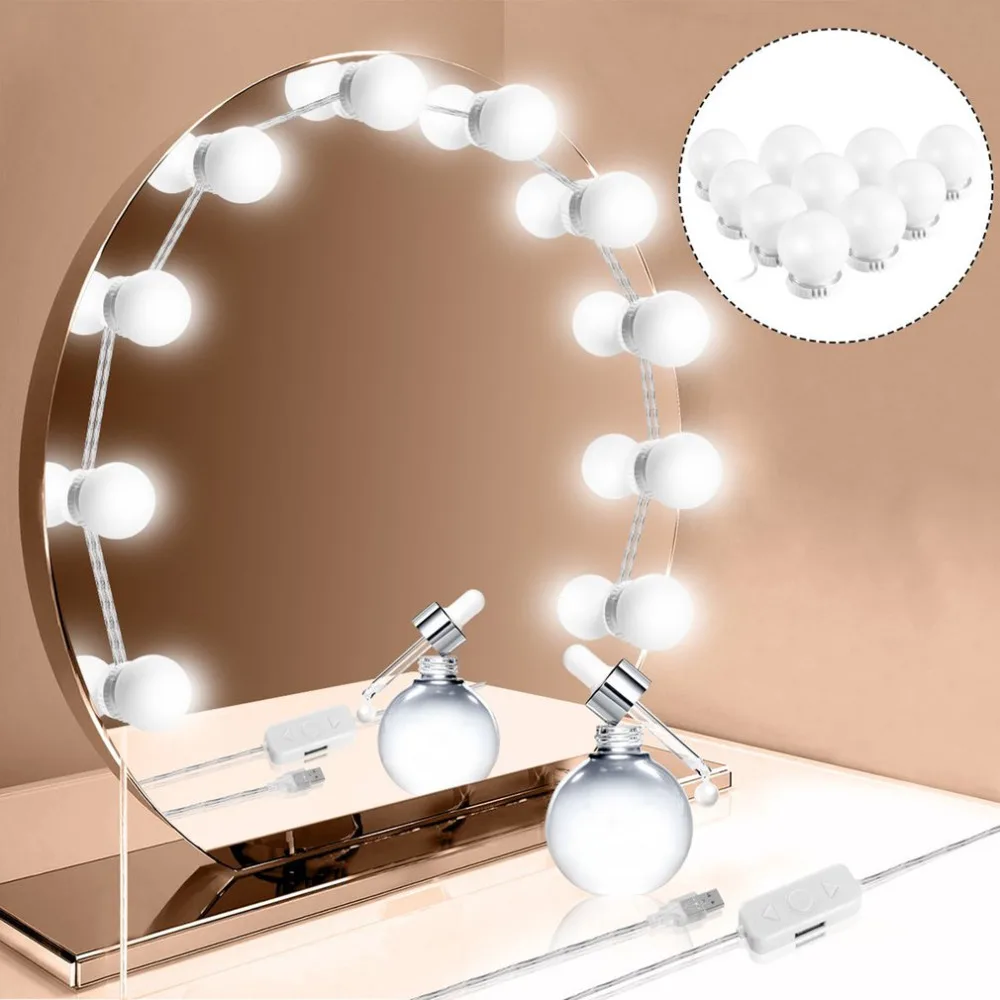
A well-lit makeup vanity is the cornerstone of any successful beauty routine. The right lighting can transform your application experience, revealing subtle nuances in your complexion and ensuring flawless makeup application. But navigating the world of vanity light bulbs can feel overwhelming. This comprehensive guide will demystify the options, helping you choose the perfect illumination for your makeup routine.
Understanding the Importance of Proper Vanity Lighting
Beyond simply illuminating your face, the right vanity lighting plays a crucial role in achieving a natural and flawless makeup look. It provides:
- Accurate Color Representation: Natural daylight is the gold standard for makeup application, offering a true reflection of colors. The best vanity light bulbs mimic this natural light, ensuring your makeup looks consistent in different environments.
- Enhanced Visibility: Bright, even lighting reveals every detail of your face, allowing for precise application of foundation, concealer, and eyeshadow.
- Reduced Shadows: Proper lighting minimizes harsh shadows, preventing uneven makeup application and highlighting unwanted imperfections.
- Confidence Boost: A well-lit vanity creates a more flattering and professional environment, boosting confidence and encouraging experimentation with different makeup styles.
Types of Vanity Light Bulbs: A Detailed Exploration
Vanity light bulbs come in a variety of types, each with its own advantages and disadvantages. Understanding the different options is essential for making the right choice for your needs.
1. Incandescent Bulbs: The Classic Choice
Pros:
- Warm, Natural Light: Incandescent bulbs emit a warm, yellow light that mimics natural sunlight, creating a flattering and inviting ambiance.
- Affordable: They are generally the most affordable option compared to other types.
Cons:
- Low Energy Efficiency: Incandescent bulbs are known for their high energy consumption, leading to increased electricity bills.
- Short Lifespan: They have a shorter lifespan compared to other options, requiring frequent replacements.
- Heat Generation: Incandescent bulbs generate significant heat, which can be uncomfortable during extended makeup sessions.
2. Halogen Bulbs: A Brighter, Warmer Option
Pros:
- Brighter Light: Halogen bulbs produce brighter light than incandescent bulbs, providing excellent visibility for detailed makeup application.
- Warm, Natural Color: They emit a warm, natural light similar to incandescent bulbs, creating a flattering effect.
Cons:
- High Energy Consumption: Like incandescent bulbs, halogens are energy-intensive, contributing to higher electricity bills.
- Heat Generation: They generate even more heat than incandescent bulbs, potentially creating an uncomfortable environment.
- Fragile Bulbs: Halogen bulbs are more fragile than other types and can easily break if mishandled.
3. Fluorescent Bulbs: Energy-Efficient and Long-Lasting
Pros:
- High Energy Efficiency: Fluorescent bulbs consume significantly less energy than incandescent and halogen bulbs, saving you money on electricity bills.
- Long Lifespan: They have a much longer lifespan than incandescent and halogen bulbs, reducing the frequency of replacements.
- Cool Operation: Fluorescent bulbs generate minimal heat, making them comfortable for prolonged makeup sessions.
Cons:
- Cool, White Light: Fluorescent bulbs typically emit a cooler, whiter light that can appear harsh or unnatural for makeup application.
- Flickering Issues: Some fluorescent bulbs can flicker, creating an unpleasant and distracting visual effect.
- Mercury Content: Fluorescent bulbs contain mercury, which requires proper disposal to avoid environmental hazards.
4. LED Bulbs: The Modern Choice for Vanity Lighting
Pros:
- High Energy Efficiency: LED bulbs are the most energy-efficient option, significantly reducing electricity consumption.
- Long Lifespan: They boast an incredibly long lifespan, lasting significantly longer than other types, minimizing replacements.
- Cool Operation: LED bulbs generate minimal heat, providing a comfortable environment for makeup application.
- Versatile Color Temperature: LED bulbs are available in a wide range of color temperatures, from cool white to warm white, allowing you to choose the most flattering light for your skin tone.
- Dimmable Options: Many LED bulbs are dimmable, allowing you to adjust the brightness level to suit your needs.
Cons:
- Higher Initial Cost: LED bulbs are typically more expensive upfront than other types.
- Potential for Color Distortion: Some LED bulbs can emit a blue-toned light that can distort colors, affecting the accuracy of makeup application.
Choosing the Right Light Bulbs for Your Makeup Vanity
The ideal vanity light bulb depends on your individual preferences and priorities. Here are some key factors to consider:
- Color Temperature: Choose a color temperature that complements your skin tone and provides accurate color representation. Warm white (2700-3000K) is generally considered flattering for most skin tones, while cool white (4000-4500K) can appear too bright or harsh.
- Brightness: Ensure your vanity light bulbs provide sufficient brightness for detailed makeup application. Consider the size of your vanity and the overall lighting needs of the room.
- Energy Efficiency: Opt for energy-efficient bulbs like LED or fluorescent to reduce your electricity consumption and save money.
- Lifespan: Choose bulbs with a long lifespan to minimize the frequency of replacements.
- Budget: Consider your budget and choose bulbs that fit within your financial constraints.
Tips for Optimizing Your Vanity Lighting
- Use Multiple Light Sources: Incorporate multiple light sources, such as overhead lighting and vanity mirror lights, to create a balanced and flattering illumination.
- Consider Natural Light: Position your vanity near a window to take advantage of natural daylight, which is ideal for makeup application.
- Invest in a Dimmable Switch: A dimmable switch allows you to adjust the brightness level to suit your needs, creating a more versatile and comfortable lighting environment.
- Experiment with Different Bulbs: Don’t be afraid to experiment with different types of bulbs to find the one that best complements your skin tone and makeup preferences.
FAQs about Vanity Light Bulbs
Q: What is the best color temperature for vanity lighting?
A: The best color temperature for vanity lighting depends on your individual skin tone and preferences. Warm white (2700-3000K) is generally flattering for most skin tones, while cool white (4000-4500K) can appear too bright or harsh.
Q: How many light bulbs should I use for my vanity?
A: The number of light bulbs you need depends on the size of your vanity and the desired brightness level. Generally, three to five bulbs are sufficient for most vanities.
Q: What is the difference between CRI and CCT?
A: CRI (Color Rendering Index) measures how accurately a light source renders colors, while CCT (Correlated Color Temperature) describes the color appearance of the light, ranging from warm white to cool white.
Q: How often should I replace my vanity light bulbs?
A: The lifespan of vanity light bulbs varies depending on the type. Incandescent and halogen bulbs have shorter lifespans, while LED and fluorescent bulbs last significantly longer. Refer to the manufacturer’s specifications for specific lifespan recommendations.
Q: Can I use regular light bulbs in my vanity mirror?
A: Some vanity mirrors are designed to accommodate specific types of bulbs, such as LED or halogen. Consult the manufacturer’s instructions or contact the retailer for compatibility information.
Q: Are LED bulbs safe for use in bathrooms?
A: Yes, LED bulbs are generally considered safe for use in bathrooms as long as they are properly installed and rated for damp locations.
Conclusion
Choosing the right vanity light bulbs is an investment in your beauty routine. By understanding the different types of bulbs, their advantages and disadvantages, and your individual needs, you can create a well-lit vanity that enhances your makeup application experience and boosts your confidence. Remember to prioritize energy efficiency, longevity, and a color temperature that complements your skin tone for the most flattering and accurate results. With the right illumination, you can unlock your full beauty potential and enjoy a flawless makeup routine every time.




Closure
Thus, we hope this article has provided valuable insights into Illuminating Your Beauty: The Ultimate Guide to Makeup Vanity Light Bulbs. We hope you find this article informative and beneficial. See you in our next article!